The Plastic Straw Problem Is Larger Than It Looks
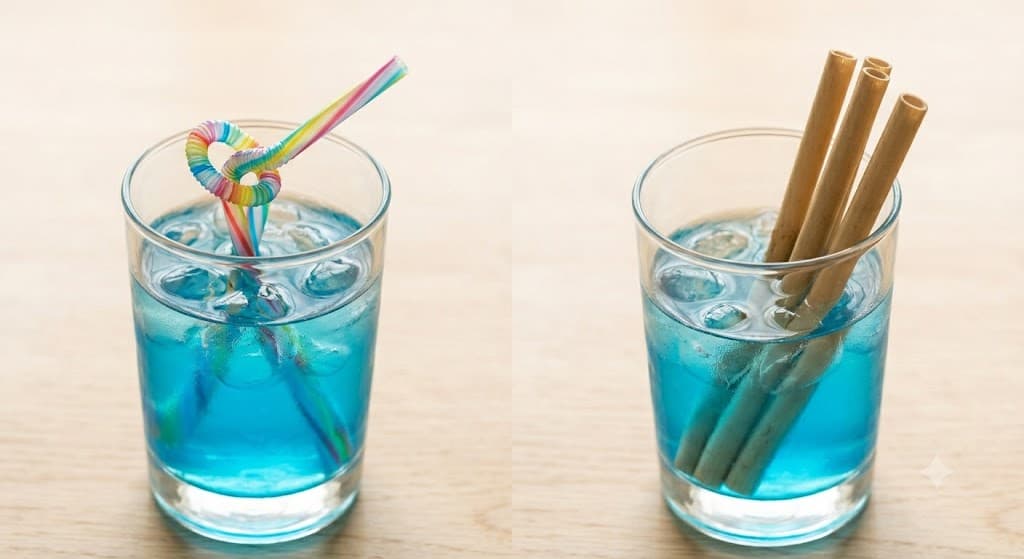
A plastic straw is used for, on average, around twenty minutes. It then persists in the environment for up to 200 years. Billions are produced and discarded every year — and because of their small size and low weight, they are notoriously difficult to collect for recycling. They end up in oceans, waterways, and soil, fragmenting into microplastics that enter the food chain.
More than 90 countries have now implemented full or partial restrictions on single-use plastic straws. The sustainable straw market was valued at over $1.2 billion in 2025 and continues to grow. Paper straws were the first widespread substitute — but they go soggy within minutes, impart a cardboard taste, and collapse in hot drinks. Consumers quickly found that paper straws were a compromise rather than a solution. Reed straws offer something more: a natural alternative that actually works.
What Are Reed Straws?
Reed straws are made from the hollow stems of the common reed plant — Phragmites australis — a fast-growing, naturally abundant wetland grass found across Europe, Asia, North America, and beyond. The plant thrives in marshes, riverbanks, and wetlands without the need for irrigation, artificial fertilisers, or pesticides.
Harvesting reed stems for straws is a low-impact process: stems are cut, cleaned, dried, and sized to produce a drinking straw that is 100% natural, plastic-free, and requires no synthetic additives or manufacturing binders. What you hold is, quite literally, a stem from a plant — shaped by nature and finished by hand.
How Reed Straws Compare to Plastic Straws
- Durability in liquid: Unlike paper straws, reed straws do not become soggy. Their natural hollow stem remains firm in cold and hot beverages for hours of use.
- Taste neutrality: Reed straws impart no flavour — no plastic aftertaste, no paper pulp taste. Your drink tastes exactly as it should.
- Temperature range: Suitable for cold drinks, iced beverages, hot teas, and even thicker drinks like smoothies and milkshakes, depending on the stem diameter.
- Biodegradation: A plastic straw takes 200+ years to break down. A reed straw composts naturally within approximately 180 days under normal conditions — no industrial facility required.
- No microplastics: Because reed straws contain no synthetic polymers, they produce no microplastic particles during use or decomposition.
Reed Straws vs. Other Eco Alternatives
Reusable options like stainless steel, glass, and silicone eliminate single-use waste but require regular cleaning — impractical for food service, cafés, and catering. PLA bioplastic straws require industrial composting infrastructure to break down effectively; in a landfill or ocean environment, they persist like conventional plastic. Bamboo straws are natural and reusable, but their porous surface can absorb odours and liquids, requiring careful maintenance.
Reed straws occupy a distinctive position: single-use like plastic, but genuinely biodegradable in natural conditions. They are smooth, tasteless, and require no cleaning between uses — the most practical eco-friendly swap available for food businesses, events, and hospitality settings.
The Ecological Case for Reed
Beyond the straw itself, reed cultivation offers ecological co-benefits. Reed plants play a vital role in wetland ecosystems — filtering water, supporting biodiversity, sequestering carbon, and stabilising riverbanks. Harvesting reed stems for straws supports the management of these habitats rather than depleting them. Reed grows quickly and regenerates naturally after harvesting, making it one of the most genuinely renewable plant materials available.
Making the Switch: What to Look For
- Certifications: Look for USDA BioPreferred or compostability certifications to verify natural-material claims.
- No additives: Quality reed straws should contain no dyes, glues, waxes, or synthetic coatings of any kind.
- Diameter options: Standard diameter for most drinks; wider-bore stems for smoothies, bubble tea, and thicker beverages.
- Supplier transparency: Responsible producers share clear information about where their reed is sourced and how it is processed.
One Small Swap. Real Impact.
The switch from plastic to reed straws is perhaps the simplest eco-habit available. It requires no behaviour change, no cleaning routine, and no compromise on drinking experience. You simply reach for a different straw.
But multiply that swap across a café serving hundreds of drinks a day, an event catering for thousands of guests, or a household making a daily habit of it — and the cumulative impact is significant. One reed stem. Infinite impact. It really is that simple.